“Father, into your hands I commit my spirit.”
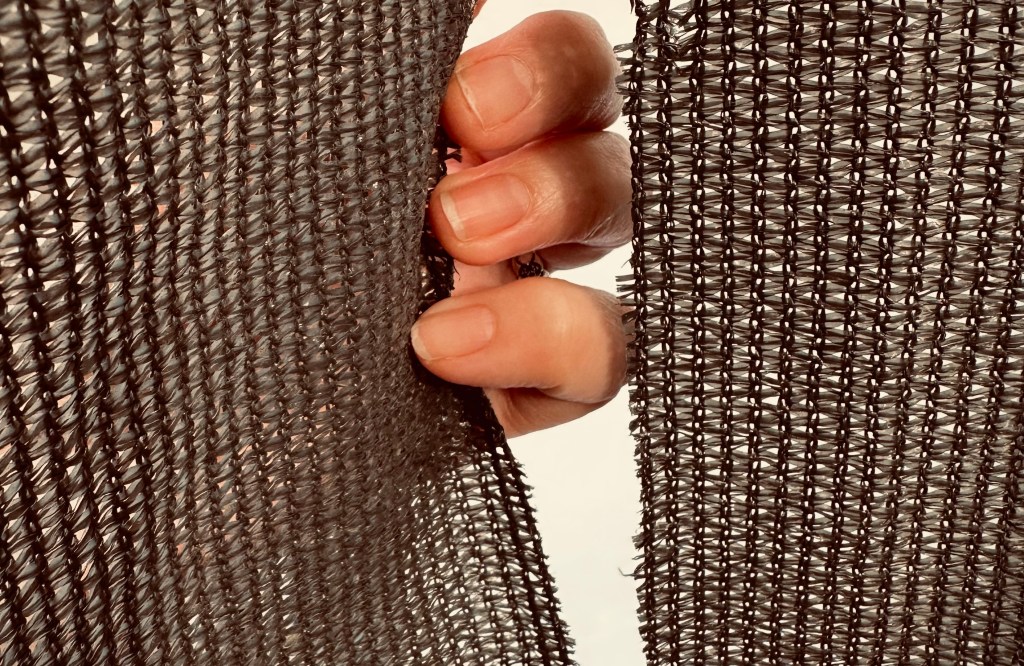
The sky darkened, the ground shook, the seas swelled, and inside the temple of Jerusalem, the great veil tore.
For most of my life, I barely noticed that quiet detail in the passionate story of the crucifixion. But the more I think about it, the more it seems central to Jesus’ mission: tearing down the barriers that kept humanity from God.
The veil wasn’t delicate or pretty. It was massive, thick, and heavy, suspended high above the floor. It separated the Holy Place from the Most Holy Place—the space believed to hold the very presence of God. Behind it were the ark and the mercy seat, the quiet center of Israel’s faith. That veil was not a decoration. It was a boundary.
Only the high priest could pass beyond it, and only once a year, carrying the blood of a sacrificed lamb. Anyone else who tried could face death. The message was unmistakable. God was holy and accessible to the elite few. The rest of you, stay out or face dire consequences.

Outside the temple, did Jesus turn people away? Did He say, “You, over there by the side of the road, your cloak is filthy. Come back when you’re clean. Memorize a few prayers until you’re worthy. Choose better friends. Get your act together. Until then, keep your distance.”
Scripture tells us otherwise. He sought the excluded—the poor, the sick with diseases society deemed unacceptable. He moved toward the people everyone else avoided, those whose presence made others uncomfortable or who carried burdens that could not be ignored. He sat with people whose choices, circumstances, or reputations placed them on the margins. He listened to the silenced, watched over the dismissed, and broke bread and drank wine with those society had already judged and deemed unworthy. The barriers others insisted on, built from arrogance, fear, or tradition, had no place in His presence.
Jesus wasn’t overly fond of the Pharisees, the scribes, and the religious leaders of the time. The ones who believed they alone deserved to stand near God. These were the people who put up the veil, guarded it jealously, and measured worth by rules, rituals, and appearances. Jesus called out their pride, their judgment, and their insistence on controlling who could approach the Father.
When Jesus breathed His last, the veil that had separated humanity from God was ripped forcefully from top to bottom.
God did not carefully fold it and set it aside on a velvet chair for later use. He tore it, and the shrouded space that had been guarded for centuries was open to everyone.
The veil had always warned, “Only a select few may approach God, and at great risk.” Now it shouted, “Welcome to the new world! Don’t be shy, everyone come in!”
The torn veil is an invitation to come to God anytime, anywhere, just as we are. There is no hierarchy in His presence. No waiting list or spiritual resume is required. Every person stands on equal ground. The wealthy and the poor. The powerful and the marginalized. The educated and those with little schooling. Those society celebrates and those it ignores. The healthy and the sick. Those whose lives appear orderly and those who survive on the edges, carrying labels, mistakes, or burdens.
Which leaves a hard question: If God has already torn the veil open, why do we keep trying to stitch it back together?
Human beings are remarkably skilled at building and rebuilding barriers. Sometimes it is done intentionally. Sometimes it happens so slowly that we barely notice. Exclusion is everywhere in the world today. Religious institutions often decide who belongs and who does not. There are strict rules passed down for centuries, along with unspoken expectations and the quiet signals that define who fits and who is not worthy. Sometimes it hides in traditions so long unquestioned that no one stops to ask whom they push away. Certain people seem closer to the center while others remain on the edges, quietly hoping to be noticed, longing to belong.
It seems that some people act as if God’s presence still must be controlled. Nobody has that authority. Period. No person or institution can deny us from God. The torn veil stands as a silent protest against every system, every rule, every assumption that tries to regulate the way to God.
But we also place veils in our own minds. God does not build barriers between Himself and us. We do it ourselves, and we do it well. Sometimes, no one tells us to stay out. We simply assume we should.
We imagine that God’s presence is reserved for better people—those whose lives appear more put together, more faithful, more acceptable. We picture those who attend Bible study every week, who bake cookies for the congregation, who volunteer at soup kitchens, and who dedicate their lives to service. Surely they deserve to be in God’s presence, but not us.
We tell ourselves we are broken, distracted, messy, or too far gone to belong near God. We look at others who seem closer to faith, more welcomed in church, more spiritually accomplished, and quietly think maybe someday we’ll be worthy—but not now. Not today.
The truth is simpler and harder than we often admit: God loves each of us infinitely, whether we believe it or not. No spiritual credentials are required. No perfect life is expected. No special status is needed. In God’s presence, no one is unworthy.
Look around. Who do we exclude with words, rules, or assumptions? Who do we push to the edges because of race, gender, sexual orientation, economic status, education, or life choices? And the more personal question: What veils have we placed over our own hearts? What spaces do we believe we cannot enter, even though God has already opened the door?
The invitation of the torn veil is not only to walk through the opening that exists, but also to stop hanging new veils where God has already torn them down.
The curtain is gone. Nothing stands between humanity and God except the barriers we continue to rebuild in our minds and in our communities.
Walk through the torn veil. He is waiting, arms open, ready to welcome every person willing to step inside. That includes you.
Discover more from Amy L. Griffin
Subscribe to get the latest posts sent to your email.
 Amy L. Griffin