I have a love-detest relationship with the French language. It possesses remarkable depth and nuance, flowing elegantly while never pronouncing the last part of any word. However, its conjugations are a nightmare, the subjunctive remains mysterious and debated, and I’ve given up trying to memorize which words are masculine or feminine. Some battles are best surrendered, raising the white flag and admitting defeat.
Through language, the French have mastered a non-direct, diplomatic approach, which, honestly, I have learned from and, now and again, try to adopt. One of my favorite phrases is “C’est pas faux,” or “That’s not false.” Let’s put this into action.
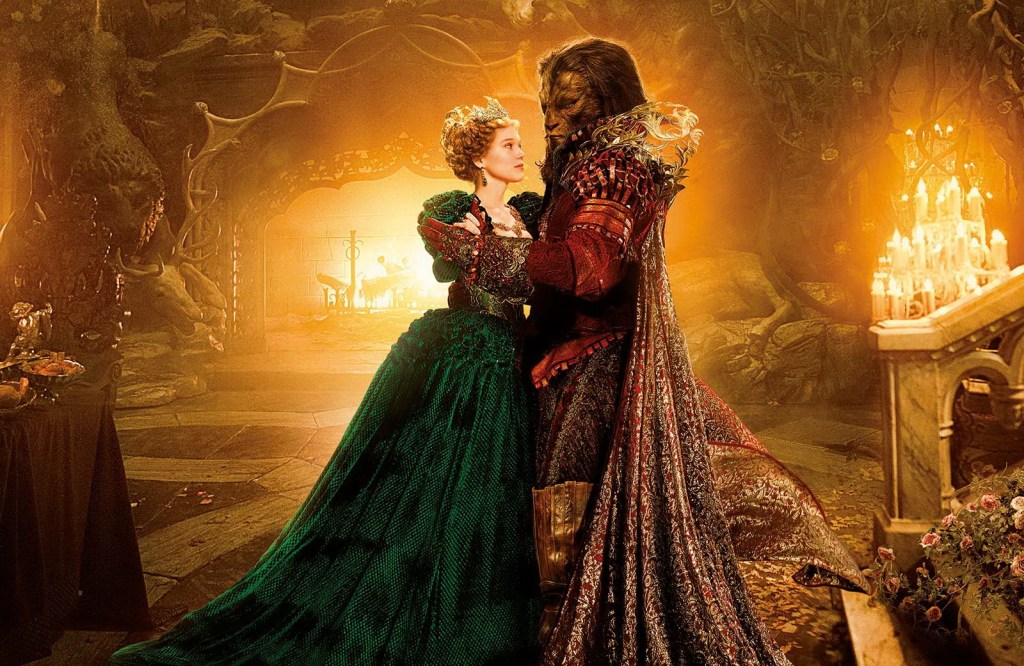
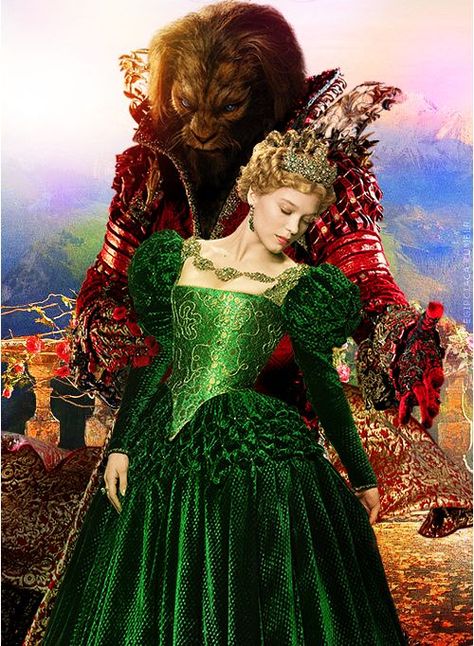
Imagine we are at our book club’s monthly meeting. Karen is hosting. Only a few of us are present because the others decided to take advantage of the warm, sunny day and are enjoying a picnic in the park. And because Karen is hosting. Our book is Beauty and the Beast, which has many adaptations, revisions, and short versions. We decided to tackle the original story by French novelist Gabrielle-Susanne Barbot de Villeneuve, published in 1740.
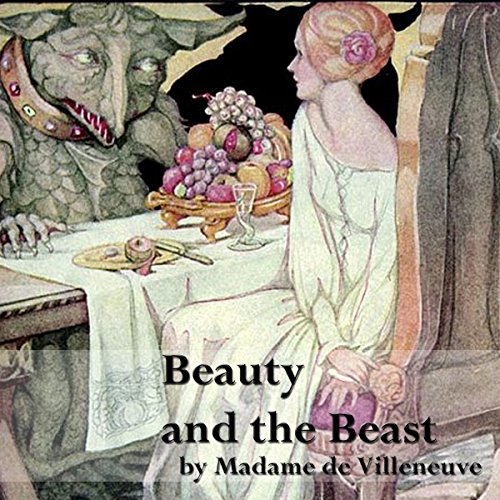
The original tale is surprisingly long and packed full of intrigue, fire, curses, jealousy, greed, good fairies and a healthy dose of bad ones, politics, rival families, banishment, faked deaths, evil plots, and unrequited love. It also delves into themes such as differing tastes in opera and the moral issues surrounding wild animals in captivity.
To summarize, Beauty’s father, returning from an unsuccessful business trip, picks a single red rose from the Beast’s garden. The Beast catches him in the act and threatens to take his life. Beauty’s father, a used-goods merchant, talks his way out of the mess and agrees to send Beauty to live with the Beast in exchange for his crime. Her extremely jealous sisters are delighted with this arrangement.
Beauty is pulled from poverty into a life of luxury, spending her days in the magnificent, enchanted palace, much like the songbird she befriends, imprisoned in its golden cage. At first, she detests the Beast, despite his impeccable manners and clothing. He is battling poor family choices, spells, and his own inner demons.
Eventually, Beauty falls in love with the Beast, saves his life, and they sleep together. Magical fireworks erupt. In the morning, he turns into a dashing, well-educated prince who had been transformed into a Beast by his evil fairy godmother, now imprisoned for attempted incest and war crimes. In a plot twist, it is revealed that Beauty herself is the Princess of Fortunate Island! As an infant, to save her life, she was placed in the merchant’s custody, who had been told she would bring good fortune to the family. Beauty marries the prince and invites her ungrateful surrogate family to live as servants in the palace. They all live, more or less, happily ever after. The end.
Let’s get on with our interesting discussion of this classic tale.
Karen, holding her annoying Yorkshire Terrier in her lap, is the first to speak, “We all know the moral of the story is true love conquers all,” she says with a bright, practiced smile. “It’s one of the greatest love stories of all time.”
I say, “That’s not false.”
Tim, who lives with a German Shepard and looks good in dark blue, rolls his eyes at Karen and states in a serious voice, “If the merchant hadn’t illegally broken and entered the palace grounds, this whole thing could have been avoided. But if the merchant believed he was innocent, he should have contacted the proper authorities after being threatened. Thus, he would not have put Beauty in danger and cost the state both time and money.”
Nodding my head, I say, “That’s not false.” Karen cocks her head, lifts her chin, and rewards me with a closed-lip smile.
Emily, a joint owner of the local tattoo parlor, jumps in, “The moral is that true beauty is below the surface, and a person should never judge or be judged on outward appearances.” She looks around the room as if daring anyone to disagree.
Quickly, I say, “That’s not false,” and elbow Richard, who is half-asleep after a long week working in the family insurance business. He minored in psychology at Yale and regrets his life. He grunts and replies,
“This tale is clearly a case of Stockholm Syndrome, which is a coping mechanism in a captive situation. Beauty developed feelings for the Beast under duress, alone and unsupported, rather than through genuine connection.” He looks at his watch.
Tim nods in agreement, and I say, “That’s not false.” Karen shoots me a dark look as Emily pulls out the bottle of red wine stashed in her purse and pours some into her empty Wedgewood teacup. I envy her.
“No,” interrupts Karen, “I don’t understand why you all can’t see the truth!”
Morgan sits up straighter in her chair and states, “The tale is definitely about preparing young girls for marriage in 18th-century France and the unfortunate emphasis on corsets for women’s body image, only to please men. The issue of child brides is still a problem in many parts of the world dominated by men.”
Emily nods, Richard slides down in his chair, and Tim looks around to find the fastest escape route. Karen blinks her eyes furiously, opens her mouth and before she can respond, I blurt out,
“That’s not false.”
At this point, everyone, including myself, is fed up with my annoying reply. Smoothing her light blue tracksuit in place, Karen politely and pointedly asks me if I would care to explain my obsession with repeating the phrase.
I take a deep breath and begin,
“C’est pas faux,” or saying ‘That’s not false,’ means I recognize you have an interpretation, but it’s not necessarily the only one or that I even agree with you. There is no single moral in this story, nor in life itself.
We all see things differently. Our backgrounds, experiences, and definitely our moods affect how we interpret the world. But somehow, the smallest disagreements can easily spiral into something much bigger, often because of our need to be right. What starts as a simple difference of opinion turns into a back-and-forth where no one’s really listening anymore, just waiting for their turn to prove a point. It’s not just here talking about Beauty and the Beast, it’s everywhere. Society kind of runs on this idea that someone has to win and everyone must agree with the victor.
But not every conversation needs that. Different interpretations don’t cancel each other out—they can coexist. One person sees a love story, another sees independence, and both are valid. There’s something refreshing about not jumping in to debate or correct. Sometimes we just need a little French-style acceptance and say,
“C’est pas faux.”
Pronunciation: say – pa – pho. Notice that the t, s, and x at the end of each word are silent. The underlying meaning of “C’est pas faux” also changes depending on whom you ask.
There are so many larger, pressing issues in society today, so let’s save our energy to battle those.
Emily nods her head in agreement and narrows her eyes. “On that note, I think we should read Animal Farm by George Orwell next. It will make for an interesting discussion.”
Karen beams, “What a wonderful idea! A simple story about our cute four-legged friends will be a nice break from politics and social issues. That’s all people seem to talk about these days.”
I grab the wine bottle out of Emily’s hand and take a long swig. Then brighten up, remembering I have a dentist appointment scheduled on that day.



Discover more from Amy L. Griffin
Subscribe to get the latest posts sent to your email.

